When my pickup rolled past a big round number on the odometer, I went through the owner’s manual with a highlighter and a cup of coffee. Oil, filters, coolant, all fine. Then I hit the transmission section. One chart said one thing. The “severe service” chart a page later said something much shorter. And the guy at the quick lube had told me it was “lifetime fluid, don’t touch it.”
I tow a small camping trailer every summer and haul mulch every spring. That changes the answer. Transmission fluid is one of the most argued-about topics in any garage. So here’s how I sort it out for my own vehicles, starting with the free stuff and working up to the service itself.
Shop notes
- symptom: fluid dark brown with a burnt smell. Likely cause: overheated or worn-out fluid. Have it inspected soon.
- symptom: delayed engagement into Drive or Reverse. Likely cause: low fluid level, worn fluid or internal wear.
- symptom: harsh or slipping shifts after towing. Likely cause: fluid heat damage or a transmission needing service.
- symptom: red or pink spots under the car. Likely cause: transmission or cooler line leak.
Step 1: Read Your Owner’s Manual the Right Way
The only interval that really matters is the one your vehicle’s maker lists. There’s no universal number. Intervals vary widely by transmission type, fluid and maker.
Find both schedules
- Normal schedule: for mostly steady driving in mild conditions.
- Severe or special schedule: for towing, hauling, lots of short trips, stop-and-go traffic, hilly terrain, dusty roads or extreme temperatures.
Be honest about which one fits you. Plenty of everyday driving counts as severe service by the manual’s own definition. Short trips in cold weather, delivery routes and school runs all qualify in many manuals.
What “lifetime” really means
Some makers list no change interval under normal use. That’s often called lifetime fluid. It doesn’t mean the fluid lasts forever. It usually means the maker doesn’t call for a change during the expected service life under normal conditions. Many of those same manuals still list an interval for severe use. Read the fine print.
If your manual is missing, the maker’s website or a dealer service department can look up the schedule by your vehicle identification number.
Also check for service bulletins. Makers sometimes update fluid types or service procedures after a vehicle is sold. A dealer can tell you if a newer fluid or a software update applies to your transmission. That’s worth a phone call before you buy fluid.
Step 2: Know Which Transmission You Have
Different transmissions use different fluids and have different needs. Using the wrong fluid can cause shifting problems or damage.
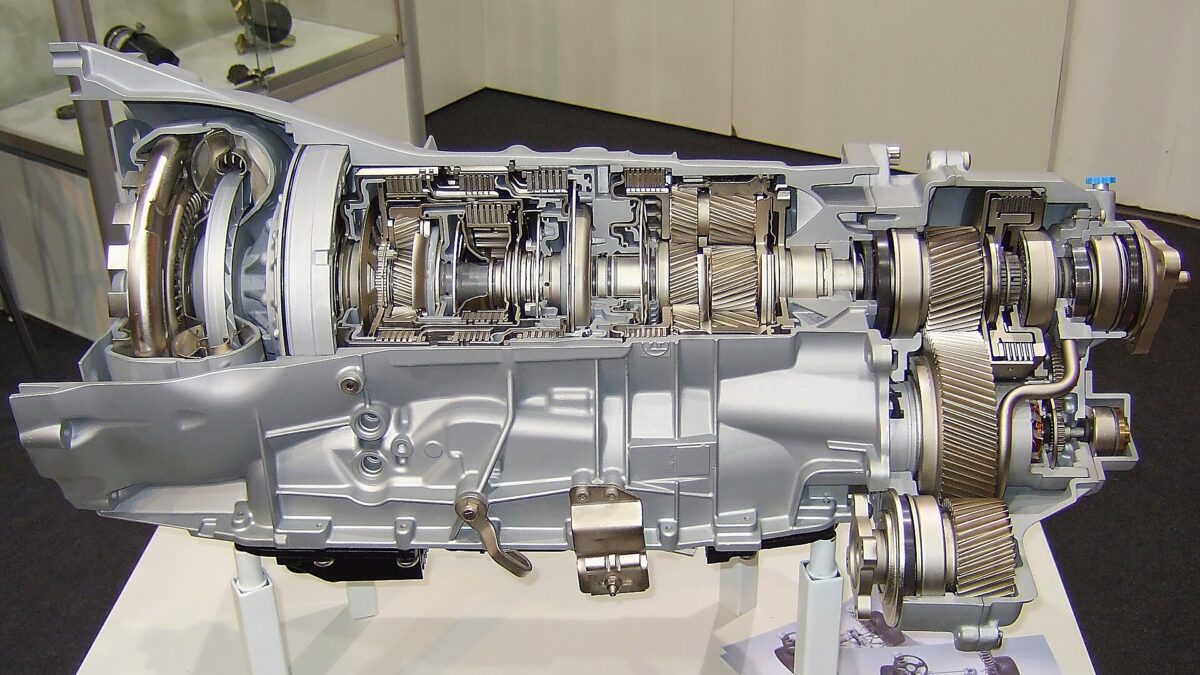
- Conventional automatic: uses automatic transmission fluid to a specific maker spec. Many types exist and they aren’t all interchangeable.
- CVT: continuously variable transmissions use a dedicated CVT fluid. Regular automatic fluid isn’t a substitute.
- Dual-clutch: uses its own fluid, and some designs have separate fluids for different sections.
- Manual: may use gear oil, a manual transmission fluid, or even an automatic fluid, depending on the design.
- Transfer case and differentials: on four-wheel and all-wheel drive vehicles, these have their own fluids and intervals.
The spec is usually in the owner’s manual, and sometimes printed on the dipstick or a label under the hood. “Universal” or “multi-vehicle” fluids may list compatibility with many specs. I stick with fluid that clearly meets the exact spec my manual names.
Step 3: Check the Fluid Level and Condition
Whether you’re due or not, checking the fluid tells you a lot. How you check depends on the vehicle.
Vehicles with a dipstick
- Follow the owner’s manual procedure. Many automatics are checked warm, with the engine running and the transmission in Park or Neutral.
- Park on level ground and set the parking brake.
- Pull the dipstick, wipe it, reinsert it fully and pull it again.
- Read the level against the hot or cold marks as directed.
Some manuals ask you to move the shifter slowly through each gear before checking. That fills passages inside the transmission so the reading is accurate. Keep your foot on the brake while you do it.
Vehicles without a dipstick
Many newer transmissions are sealed. Checking them involves a fill plug and a specific fluid temperature, often read with a scan tool. Getting it wrong can leave it overfilled or underfilled. For most people, that’s a shop job.
What to look for
- Color: new automatic fluid is usually red or pink. It darkens with use. Darker alone isn’t an emergency.
- Smell: a sharp burnt smell suggests overheating.
- Debris: particles or a gritty feel on the dipstick are a warning sign.
- Foam or bubbles: can mean overfilled, wrong fluid or an air leak on the pickup side.
Wipe the dipstick on a white paper towel. It’s easier to judge color and spot particles that way.
Step 4: Match the Interval to How You Drive
Heat is the enemy of transmission fluid. Anything that makes the transmission work harder makes it run hotter. That shortens the fluid’s life.
Things that call for a shorter interval
- Towing a trailer, camper or boat.
- Hauling heavy loads in the bed or cargo area.
- Stop-and-go city traffic or lots of idling.
- Mountain or hilly driving.
- Very hot climates.
- Commercial use like delivery or ride-share.
For my pickup, I follow the severe schedule because of the trailer. My wife’s SUV does mostly highway commuting, so it follows the normal schedule. The oldest kid’s car does short trips around town all winter, so it’s on the severe schedule too. Same family, three different answers.
If you tow often, ask whether your vehicle has a transmission cooler. Many towing packages include one. An auxiliary cooler can help keep temperatures down on vehicles that don’t have one. Ask a shop what fits your vehicle.
Step 5: Drain-and-Fill or Flush?
There are two common ways to change transmission fluid. Neither one is right for every vehicle.
Drain-and-fill
- Removes the fluid in the pan, or through a drain plug.
- Replaces only part of the total fluid, since much stays in the torque converter and cooler lines.
- Some people repeat it a few times to refresh more of the fluid.
- Some services also include a pan gasket and filter, where the design allows it.
Fluid exchange or flush
- Uses a machine to exchange most of the old fluid with new.
- Replaces a larger share of the fluid in one visit.
- Some makers approve of it, and some recommend against it for certain transmissions.
Follow the maker’s procedure for your transmission. If a shop recommends a method, ask whether it matches the service information for your vehicle. A good shop won’t mind the question.
The high-mileage debate
You’ll hear that changing fluid on a high-mileage transmission that’s never been serviced can cause it to fail. Opinions differ among mechanics. Often, a transmission that fails right after a service was already worn. Old fluid can hide symptoms for a while. If yours has never been serviced and is very high mileage, talk to a transmission shop you trust first. They may recommend a gentle drain-and-fill instead of an aggressive flush.
Step 6: Keep Records and Watch for Warning Signs
Write down every transmission service: date, mileage, fluid type, how much went in, and whether the filter was changed. That record helps the next mechanic, and it helps if you sell the vehicle.
Between services, pay attention to how it drives. Transmissions usually give some warning before they quit.
- Slipping: engine revs climb but speed doesn’t follow.
- Harsh or delayed shifts: clunks into gear or hesitation moving from Park.
- Shuddering: often felt at light throttle at certain speeds. Some torque converter shudders respond to a fluid change. Others don’t.
- Warning light or transmission message: read the codes promptly.
- Leaks: reddish spots under the car, often near the middle or front.
Listen before you buy parts. A fluid service is cheap compared with a transmission. But it isn’t a cure for a transmission that’s already failing.
Related checklistOil Change Overdue by Thousands of Miles? What to Do Now
Tow or go?
| What you notice | Likely cause | Verdict |
|---|---|---|
| Fluid darker than new, shifts normal | Normal aging fluid | Go: plan a service at the next interval |
| Burnt smell, slight shift changes | Overheated fluid | Soon: have it inspected and serviced |
| Slipping, no movement or flashing transmission warning | Low fluid or internal failure | Stop: don’t keep driving, tow it |
| Fluid pouring out or puddle forming | Cooler line or seal failure | Stop: tow to a shop |
When to hand it to a shop
- Your transmission has no dipstick and needs a temperature-based fill check.
- The fluid smells burnt or has debris in it.
- You notice slipping, harsh shifts or shuddering.
- The vehicle is a hybrid, EV or has a dual-clutch transmission.
- It’s very high mileage and has never been serviced.
FAQ
Is lifetime transmission fluid really lifetime?
It usually means no change is scheduled under normal conditions. If you tow, haul or drive in severe conditions, many manuals still call for a change. Check your manual’s severe service section.
Can I just top off instead of changing it?
Topping off fixes a low level, but low fluid means it went somewhere. Find the leak. Topping off doesn’t refresh worn fluid.
Does a manual transmission need fluid changes?
Many do, on their own schedule. Some manuals list an interval; some list it only for severe use. Check yours and use the specified fluid.
Will new fluid fix a slipping transmission?
Sometimes a low level or degraded fluid causes slipping. If the slipping comes from worn parts, new fluid won’t fix it. Have it diagnosed.
Pit-Stop Summary
The 30-Second Version
- Find both the normal and severe intervals in your owner’s manual.
- Use the severe schedule if you tow, haul or drive short trips.
- Use only the exact fluid spec for your transmission type.
- Check level and condition, and watch for burnt smell or debris.
- Follow the maker’s service method and keep records of every change.